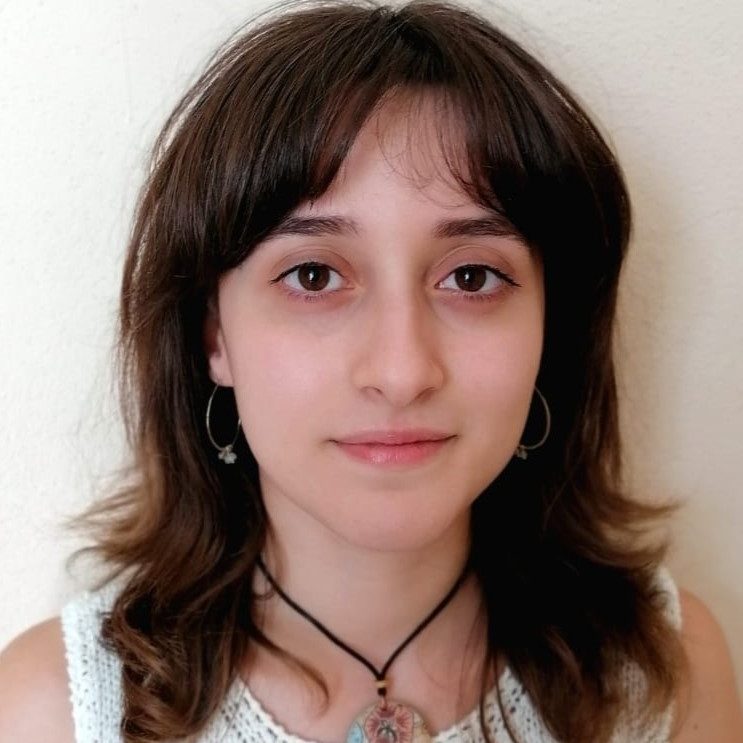
Alessia Suriano – PhD student
Alessia comes from Busca, a small town in northwestern Italy at the foot of the Maritime Alps. She obtained a Bachelor’s degree in Molecular and Cellular Biological Sciences from the University of Turin and later pursued a double Master’s in Plant Sciences from the University of Grenoble (UGA) and the University of Milan (UniMi). Alessia first joined the Stael lab in 2024 for her Master’s thesis, where she investigated the conservation of damage-activated proteolysis by metacaspases (MCAs) across different plant species. Now that she is continuing as a PhD student, she studies how plants recognize and responsd to mechanical damage and herbivory through protease activity by combining evolutionary and molecular approaches using Chlamydomonas reinhardtii, Marchantia polymorpha, Arabidopsis thaliana, Maize and Wheat. Her work aims to deepen the understanding of plant stress signalling and translate these insights into biotechnological innovations. In her free time, Alessia enjoys knitting, live music and travelling.
E-mail: alessia.suriano(at)slu.se
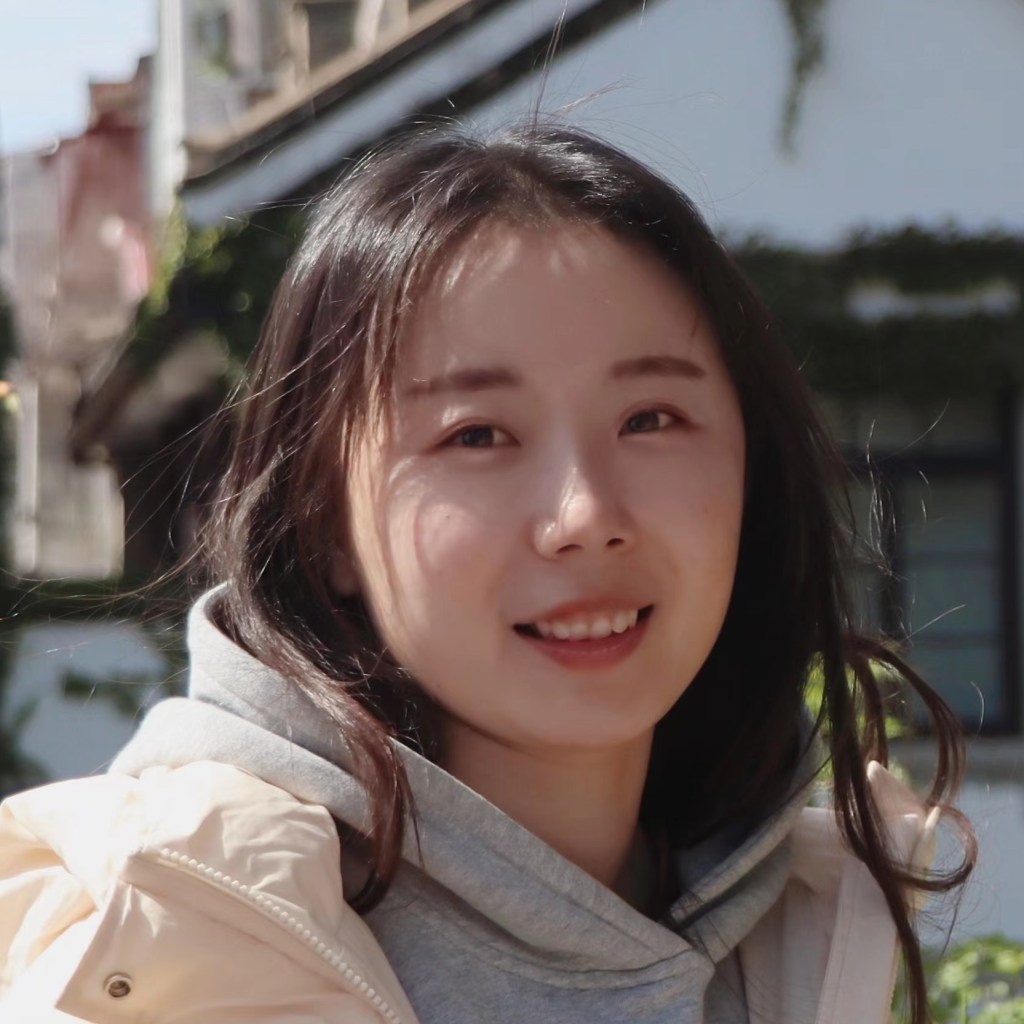
Shuning Qi – PhD student
Shuning is from Liaoning province in Northeast China. She graduated with a Master of Science in Agriculture from the Chinese Academy of Agricultural Sciences in 2022, following the completion of a Bachelor of Engineering in Sichuan Agricultural University in 2019. In the summer of 2020, she worked at Ningbo Academy of Agricultural Sciences as a research assistant on plant hormones and wound response. These experiences led her to discover her passion for academic research and were the motivation for beginning her PhD. Shuning is currently a PhD student who joined Simon Stael’s lab in 2023, under the supervision of Dr. Simon Stael and Prof. Peter Bozhkov to uncover the role of proteolysis as a potential key player in the plant wound response. In her free time, she is passionate about baking, travelling and board games.
E-mail: shuning.qi(at)slu.se

Dominic Kuang – PhD student
Dominic is from Sichuan, a southwest province in China. He obtained his bachelor degree from China Agricultural University in 2019 in Beijing (majored in Horticulture). Following that, he was a research assistant in the Institute of Botany, Chinese Academy of Sciences, where he got his first interest in photosynthesis and calcium signaling. He continued his master studies in Wageningen University & Research in the Netherlands (majored in Plant Sciences), and finished his master thesis on stomatal movements under the supervision of Dr. Elias Kaiser in 2021. Started from March, 2023, Dominic is now a PhD student in the Stael lab. He works on the plants’ acclimation to high light intensity, where the potential roles of calcium signaling and hydrogen peroxide will be investigated. In his spare time, Dominic is interested in spicy food, photography and diving.
E-mail: dominic.kuang(at)slu.se
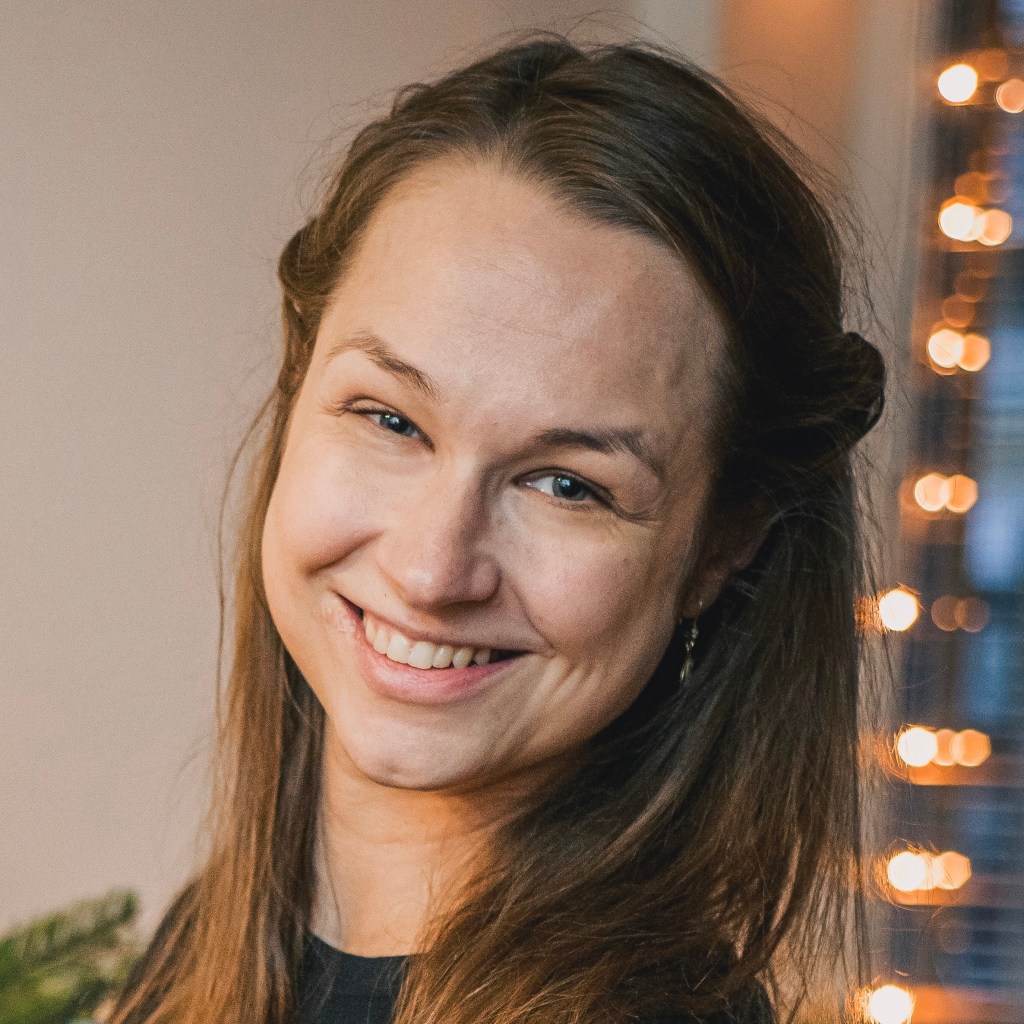
Adéla Lamaczová – Postdoc
Adela obtained her PhD in Pharmaceutical Chemistry at the Faculty of Pharmacy of Masaryk University, Czechia, where she also got her MPharm degree. She worked on silica nanoparticles as drug carriers during her master thesis in Kuopio, Finland, and moved onto the monitoring of pharmaceutical contamination of surface waters. During her PhD, she found out that not only are benzodiazepine drugs (common water contaminants) non-toxic to aquatic plants, they can reduce plant stress levels and enhance growth, curiously similar to the effect in humans and potentially related to GABA perception. Now she will uncover the underlying mechanisms of GABA-related stress signalling in plants. When outside of the lab, she loves to spend time in nature, hiking or cycling, but also drawing, reading, knitting and playing board games.
E-mail: adela.a.lamaczova(at)slu.se
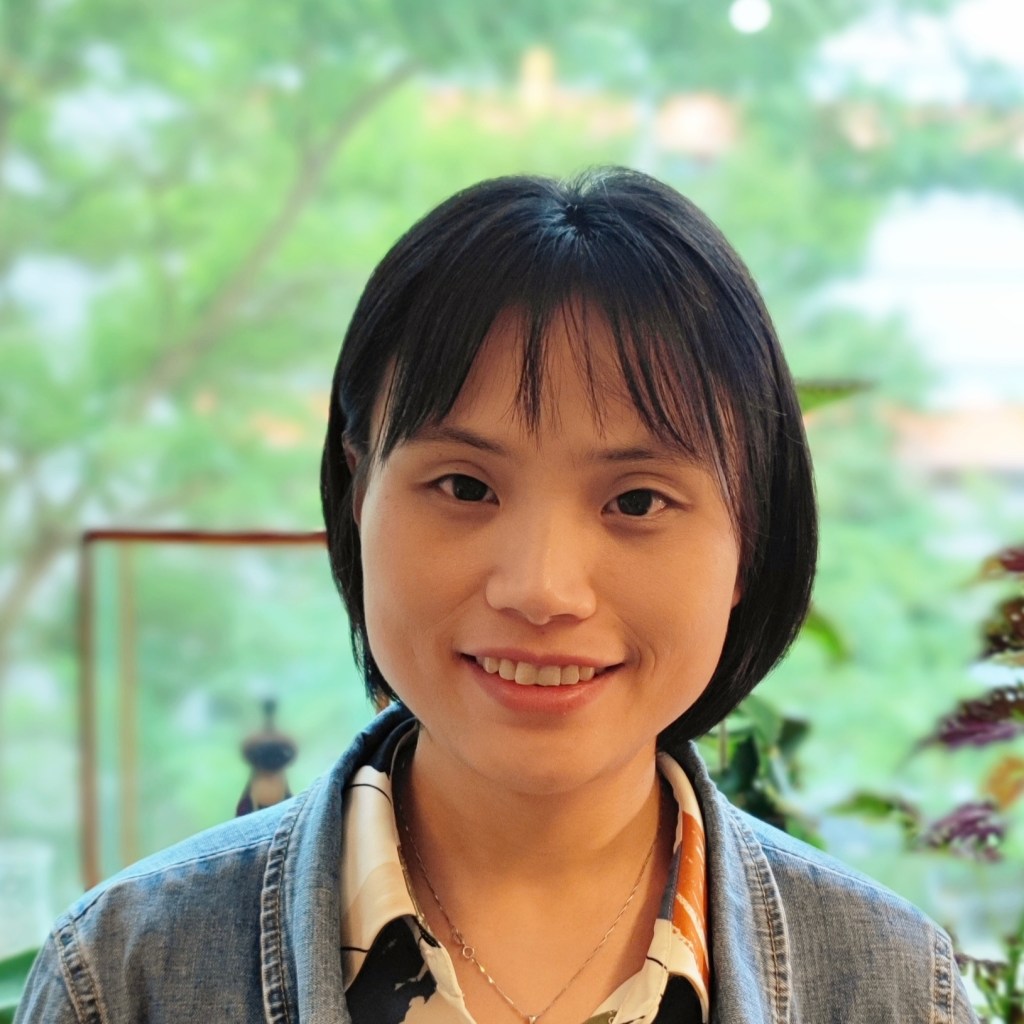
Qun Yang – Postdoc
Qun is from Guizhou, a southwest province in China, and a lovely place famous for Chinese national liquor (Kweichou Moutai), natural landscape, and minority culture. She studied plant-mite interaction during her master’s research at Southwest University in China, focusing on unraveling the mechanisms of mite adaptation to host plants. Subsequently, she pursued her PhD research at Ghent University in Belgium, researching on glycosylation in insects to identify N-glycosylation-related genes and glycoproteins as potential targets for pest control. After obtaining a doctoral degree in June 2023, she spent one year conducting postdoctoral research at Ghent University. In July 2024, Qun joined Simon Stael’s lab to study plant-insect interactions and explore damage-activated proteolysis to enhance pesticide selectivity. In her spare time, she enjoys playing badminton, swimming, and exploring interesting things.
E-mail: qun.yang(at)slu.se
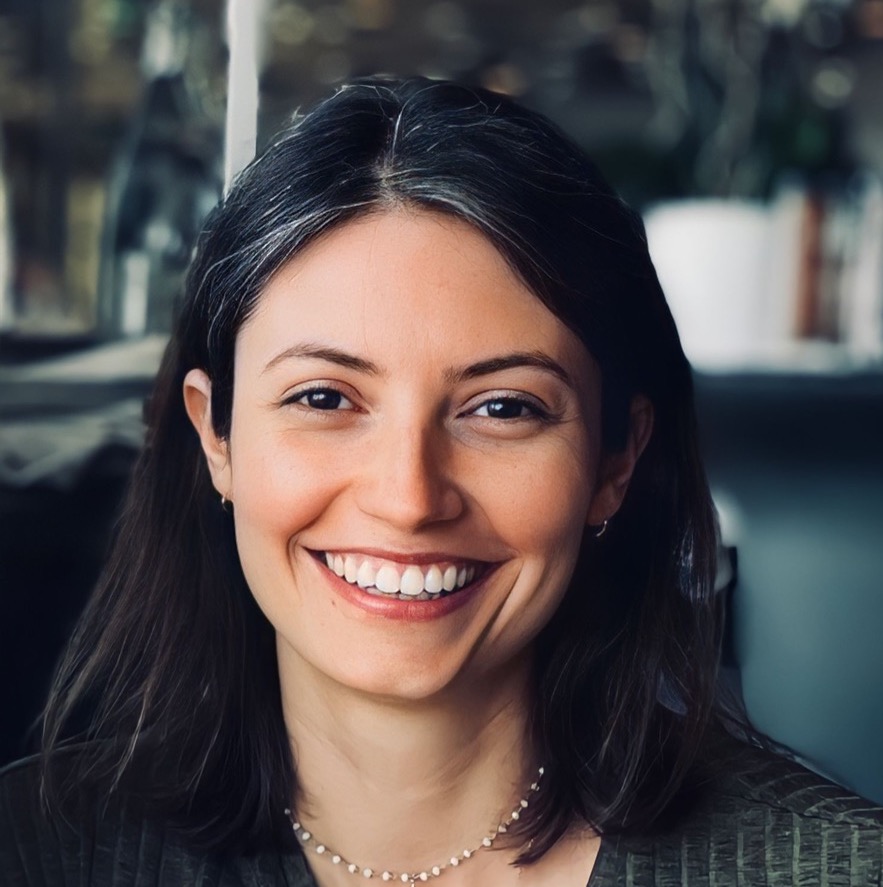
Shanna Romand – Postdoc
Shanna is from Corsica where she completed her undergraduate at Università di Corsica. She then moved to Aix-Marseille University where she obtained a master’s degree in Biology and Environmental biotechnologies. She completed her PhD at Luminy Plant Genetics and Biophysics (Institute of Biosciences and Biotechnologies of Aix-Marseille) studying how the unusual nucleotide, guanosine tetraphosphate (ppGpp), allows acclimation to nitrogen starvation in Arabidopsis thaliana. Shanna will now investigate the acclimation of plants exposed to high light and specifically, the potential link between calcium and ppGpp signalling during this stress condition. When she is not in the lab, you can probably find Shanna at Crossfit, playing video games, or vlogging about her life in Uppsala for her family.
E-mail: shanna.romand(at)slu.se

Maxence James – Postdoc
Maxence is originally from the Normandy region of France, where he obtained a master’s degree in Plant Physiology. He then obtained a PhD in 2018 at UMR INRAE-UNICAEN 950 EVA. The thesis focuses on the characterization of proteolytic and anti-proteolytic systems involved in nitrogen remobilization during senescence in Βrassicaceae. After this PhD, in which he focused on the protease SAG12 and the protease inhibitor WSCP1, he undertook a post-doc at UMR 8576 – UGSF at the University of Lille to improve his skills in multi-omic analysis (transcriptomic, proteomic and metabolomic) with the aim of characterising the cold response of two quasi-isogenic lines in maize. After this post-doc, he returned to his thesis laboratory to characterise proteolysis during root senescence and the link between autophagy and proteases. Maxence will now continue to study the role of proteases in Simon Stael’s lab, but this time in their role in the response to wound stress. His passion for nature drives him to travel the world and go hiking.
E-mail: maxence.james(at)slu.se
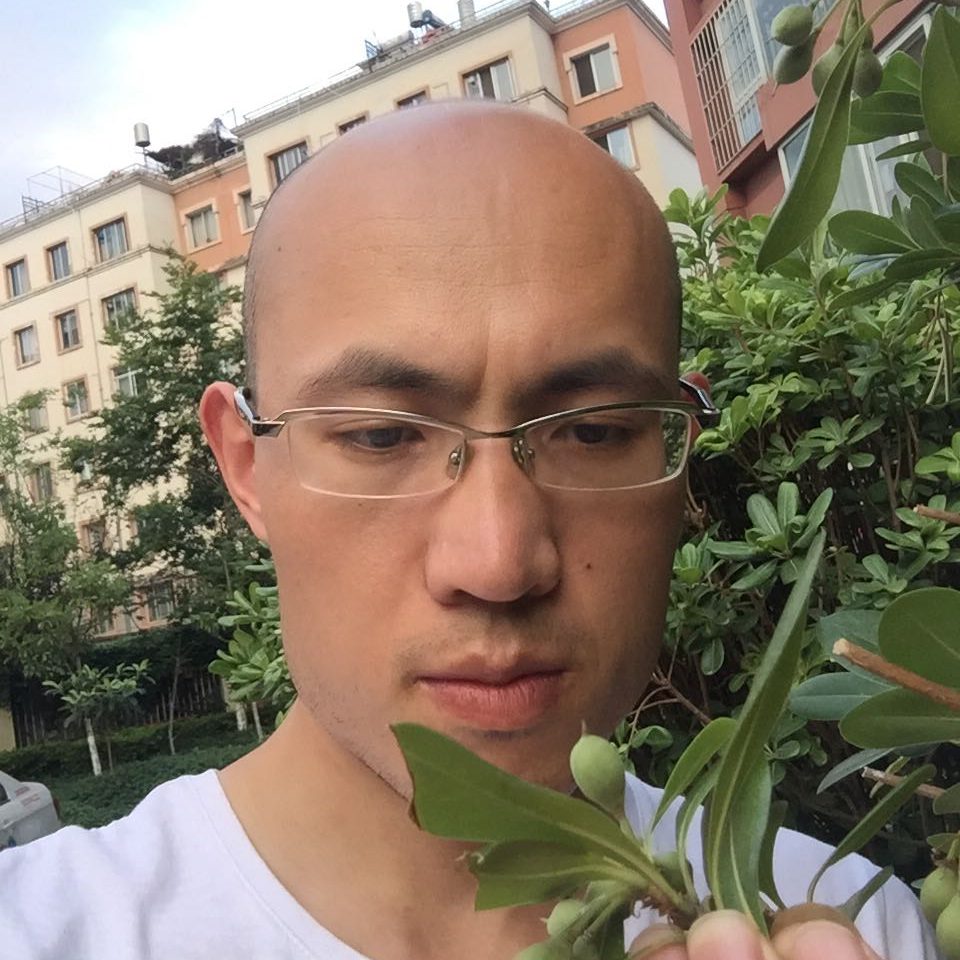
Yong Zou – Postdoc
Yong is from Tai’an, a city in the northern part of China. He obtained a Master’s degree in Cell Biology from Kunming Institute of Zoology, Chinese Academy of Sciences. He got a JSMC (Jena School for Microbial Communication) scholarship for his PhD with Professor Maria Mittag at the University of Jena, Germany. The subject of his doctoral work is about photoreceptors, mainly cryptochromes in green alga Chlamydomonas reinhardtii. After his PhD, he worked as a postdoc to characterize the role of photoreceptors in native tobacco in Professor Ian Baldwin’s lab at Max Planck Institute for Chemical Ecology. After rebalancing the interest between higher plants and green algae, he turned back to the green algal field. He then joined Professor Peter Bozhkov’s lab for characterizing the role of metacaspases in Chlamydomonas. His current interest is to explore Chlamydomonas as a model organism for clarifying the role of proteases under normal and stressful conditions, including heat stress, wound response, as well as nutrient limitation.
E-mail: yong.zou(at)slu.se
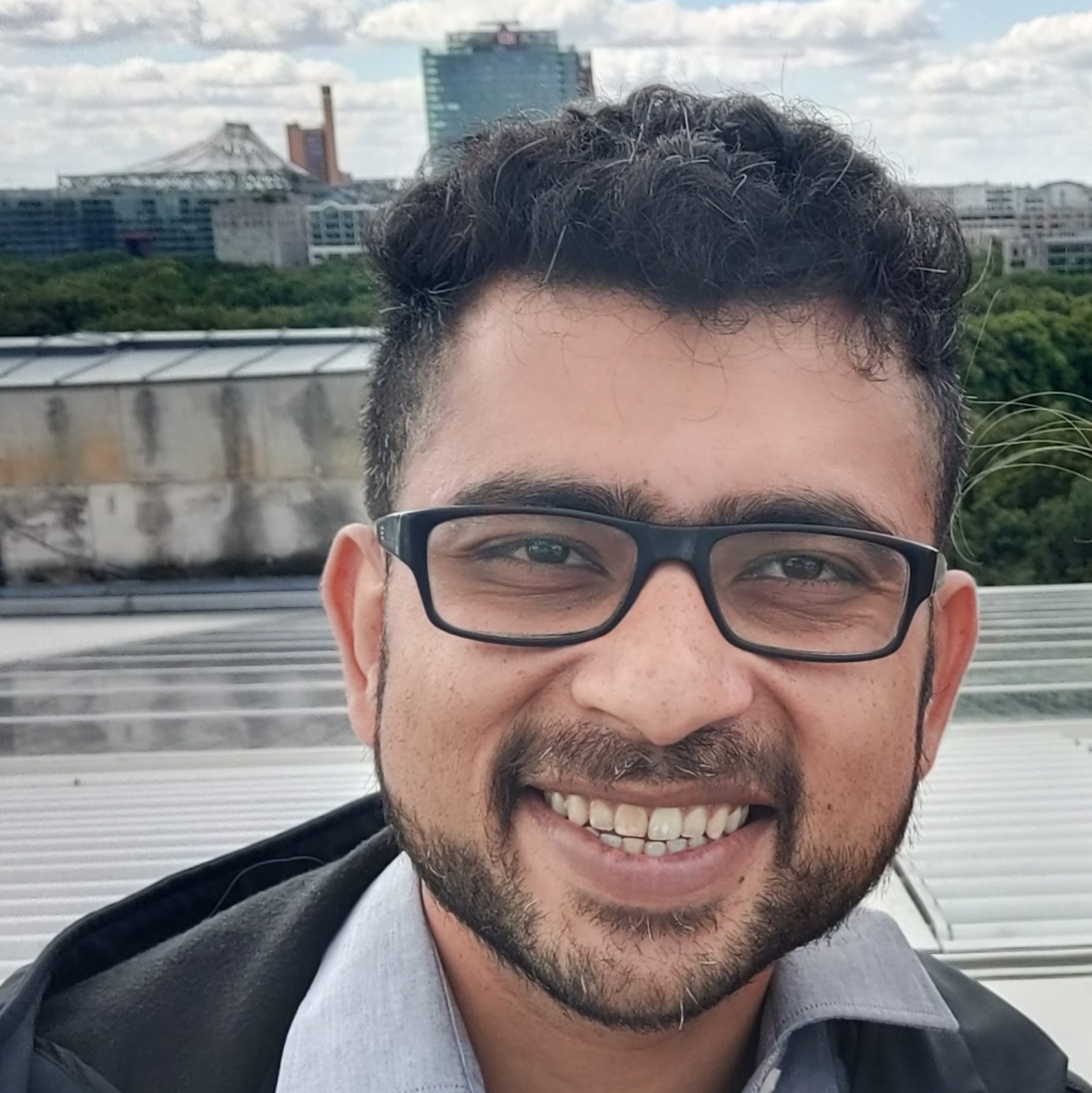
Shamik Mazumdar – Postdoc
Shamik is from India and it was where he completed his undergraduate (Botany) and master’s degrees (Genetics). Following that he was a junior research fellow at the University of Delhi, before a two year stint in the International Rice Research Institute, the Philippines working on all things CRISPR and genome editing. Shamik then completed his PhD from the Swedish University of Agricultural Sciences in 2022 studying how biotic and abiotic stresses affect plant vascular development. During his PhD he realized how wounding can have several developmental changes in plants sparking his interest in studying wounding and downstream effects. Shamik will study and research the role of proteases, substrates and proteolysis in plant wound response. Shamik will also employ the latest CRISPR techniques to further understand the role of proteases and cognate substrates in plant wound response and downstream effects. An avid reader, in free time Shamik can be found reading fantasy fiction books, enjoying football, music, traveling, and exploring new things.
E-mail: shamik.mazumdar(at)slu.se
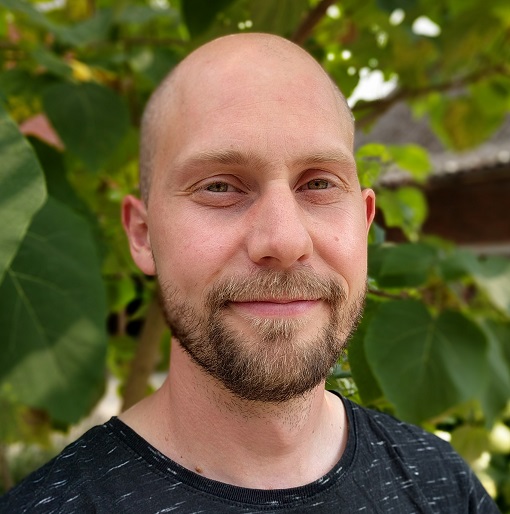
Simon Stael – Group leader
Originally from Belgium, Simon obtained a Masters degree in biotechnology from Ghent University. During an Erasmus exchange year he completed his masters thesis in the lab of Eva-Mari Aro at the Univeristy of Turku, Finland. He moved to Austria for his PhD with Markus Teige at the University of Vienna to work on calcium signaling in plant organelles. Back in Belgium, he worked as a postdoc on the discovery of metacaspase substrates and their role in plant immunity and development in the labs of Frank Van Breusegem, Kris Gevaert and Tom Beeckman at the VIB-UGent Center for Plant Systems Biology. It is there that his current interest in proteolysis during the plant wound response was formed, which he now combines with his earlier work on calcium signaling. As Associate Professor and Wallenberg Academy Fellow, he now runs a lab at the Department of Molecular Sciences, Swedish University of Agricultural Sciences.
E-mail: simon.stael(at)slu.se
Under-/graduate students
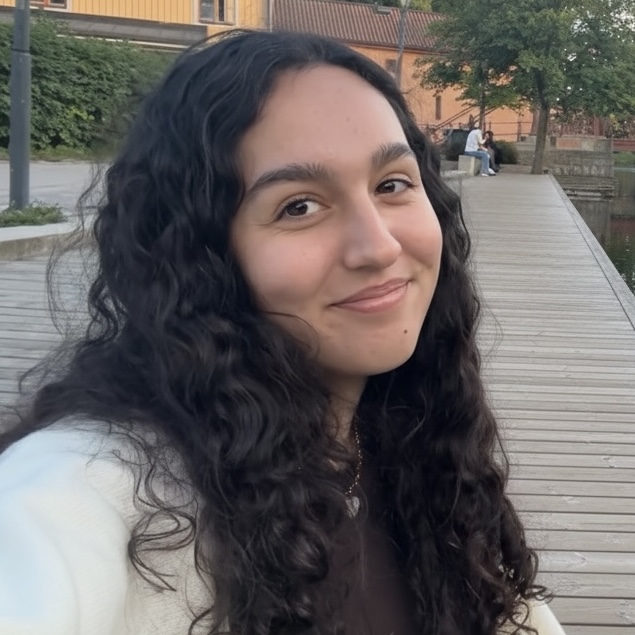
Lorena Carot Hernández
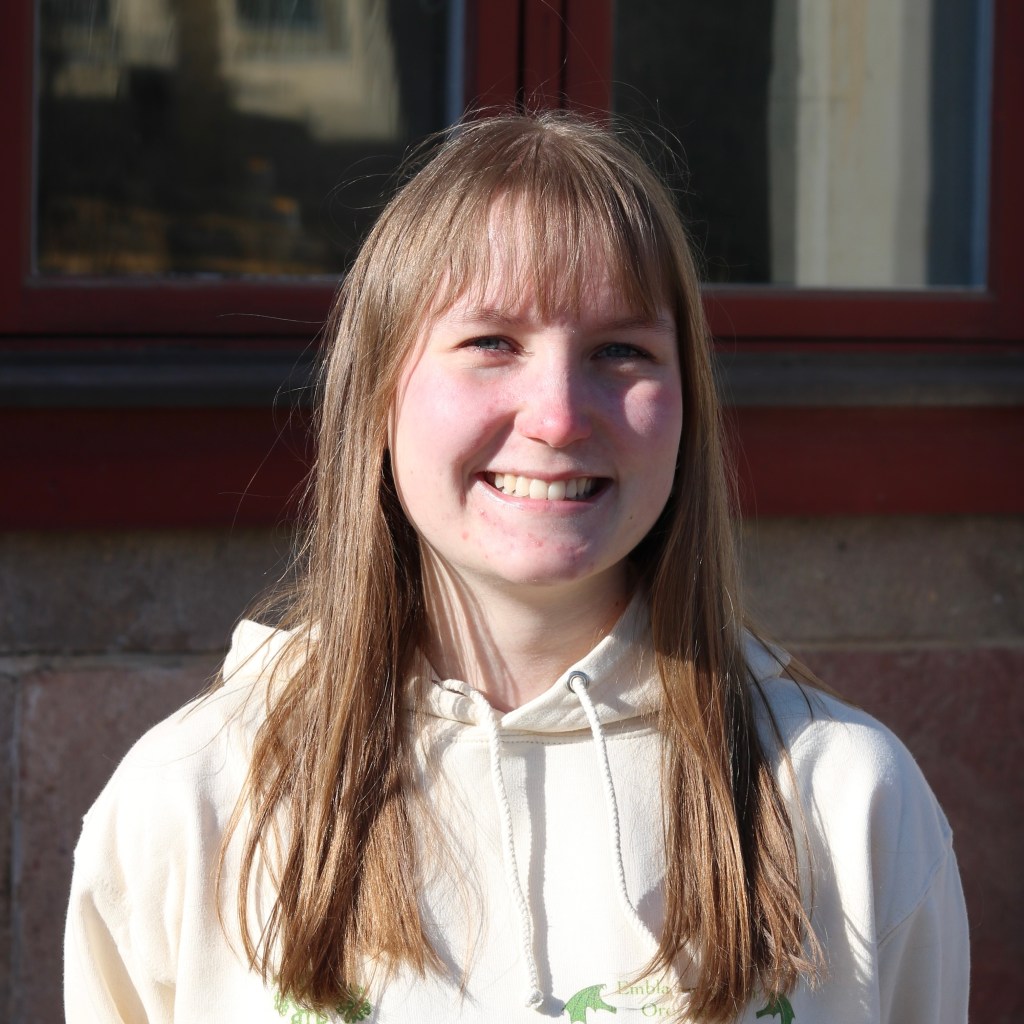
Embla Andersson
 Simon Stael's lab